
The habit of reading books can help your child become a smart and good translator at all stages of life. Reading with a trusted adult also helps children develop a love of reading. Reading can stimulate children’s intelligence, psychology and even emotions.
Research shows that reading helps children develop empathy by making them think about what other people (characters) think or feel. By stimulating imagination, stimulating critical thinking, and helping to develop empathy, reading provides children with the skills they need to succeed in school, work, and life. We all know that reading is one of the most important fundamental skills a child (or everyone else) needs to master in order to succeed: to succeed in school and to succeed in life.
While it is important for children to acquire up-to-date skills and experiences, important skills and knowledge are acquired through reading books that are not replicated or replaced by technology. Books help children develop basic language skills and expand their vocabulary in-depth to a much greater extent than any other media. A child develops language skills long before they can speak, literacy skills precede reading, and finally, reading books helps develop healthy physical and emotional responses.
One of the most important indicators of a child’s ability to learn to read is the size and quality of their spoken language and vocabulary, and children are more likely to learn new words and their meanings or learn grammar rules by reading aloud. with adults. Studies have shown that “the more words a child has in the language world, the more words he learns and the stronger his language skills. By the time he reaches kindergarten, he is ready to read, and the better he reads, the more he will read. “. They are more likely to graduate from high school” (PBS.org).
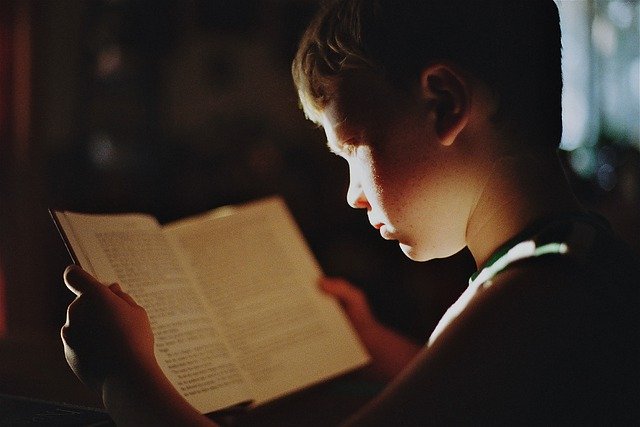
Learning occurs because children learn new words as they read, and also because they subconsciously absorb information about things like structuring sentences and using words and speech effectively. When adults ask children questions, explain new vocabulary, and connect the story to the child’s life, they are engaged in dialogical reading. Taking turns asking questions and listening to the answers are all important skills that will help children as they begin to learn to read. By sitting and reading with their children, parents can see the kind of literacy education their children receive.
If you read with your child at home, you will integrate what he is learning in the classroom and provide him with additional individual support that the classroom cannot provide. Reading aloud with young children, even if they may not fully understand what you are saying, gives them the skills they need when they start reading on their own. Reading aloud to children is truly the most important activity for building the understanding and skills needed for successful reading that your child will carry with them throughout their lives. It helps that reading to your children in the first few months of life stimulates the part of the brain that allows them to understand the meaning of language and helps develop key language, literacy and social skills.
From infancy, reading to young children every day helps improve language acquisition, communication skills, social skills, and literacy. Well, daily reading can help strengthen children’s imaginations by exposing them to concepts, cultures, and opportunities beyond their own lived experiences. Since children will encounter these literacy and language development skills in elementary school and beyond, you can help them start reading successfully by reading to them in infancy and early childhood.
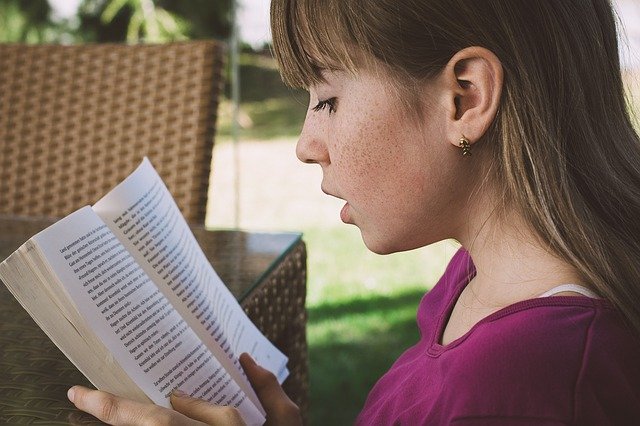
Reading is not the only way to help your child develop language and literacy skills. Since reading helps improve a child’s vocabulary, communication and grammar skills, it ultimately improves his or her writing skills as well. It can also help improve their communication skills as they determine how it should be read using cues like punctuation.
You can also write vocabulary so your child continues to make connections between listening, speaking, writing and reading. You can use words and pictures from the books you read to introduce your child to new words and ideas.
If your child enjoys a book, they will still develop a love of reading, even without being asked. Regular and consistent reading will help your child learn to sit still and listen for extended periods of time, which will benefit them in school. Reading with a child at an early age allows children to increase their vocabulary through exposure to new words and the listening skills they develop by listening to someone read to them, which becomes vital to their academic success. Reading for pleasure can benefit a child’s education, social and cognitive development, well-being and mental health.
Children exposed to books at an early age are more likely to develop an interest in reading later in life, giving them every opportunity to develop to their full potential. Wylie Blevins said that along with the time spent learning phonetics, children should participate in reading aloud with their teacher to increase vocabulary and content knowledge. To read in alphabetical language, children must learn how written letters represent spoken sounds (6), recognise the sound patterns of letters as words, and match them with spoken words whose meaning they know.

Leave a Reply