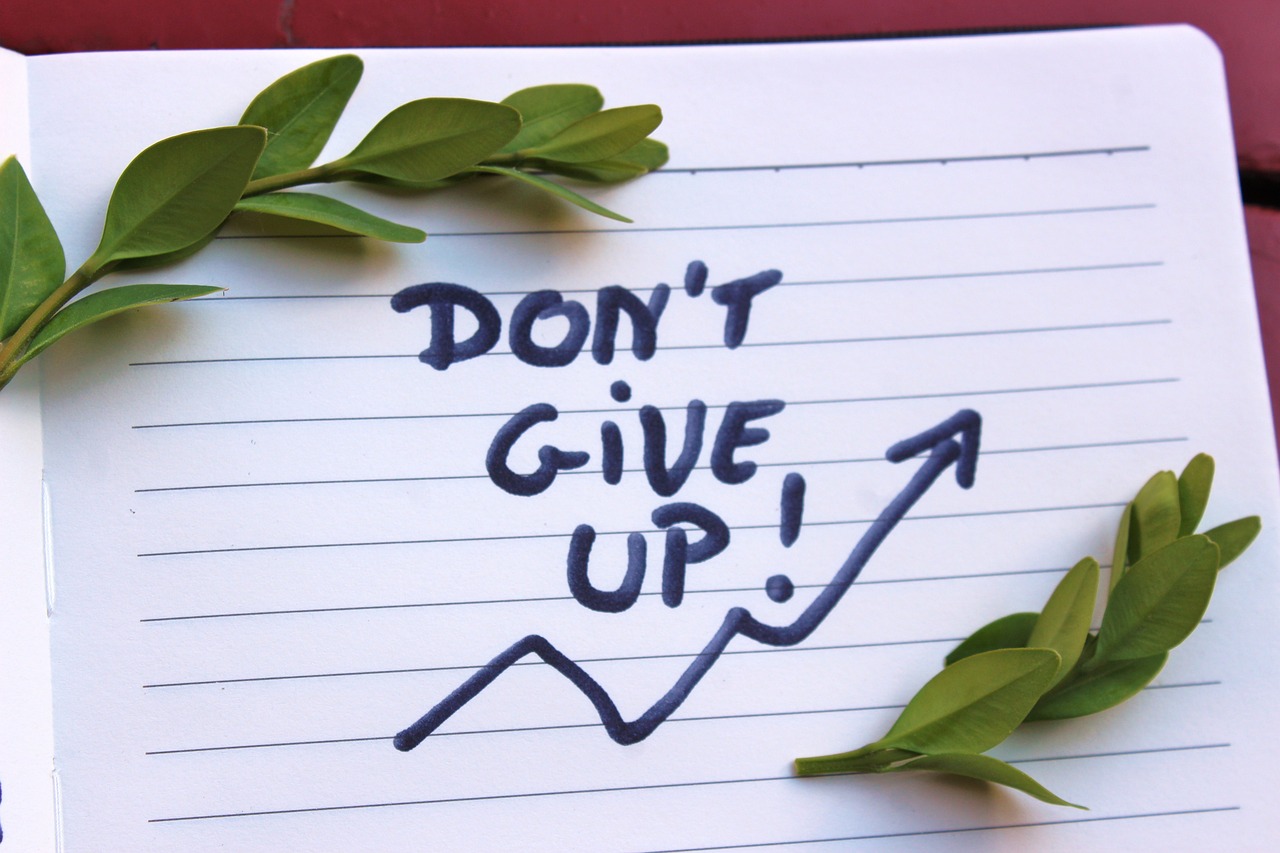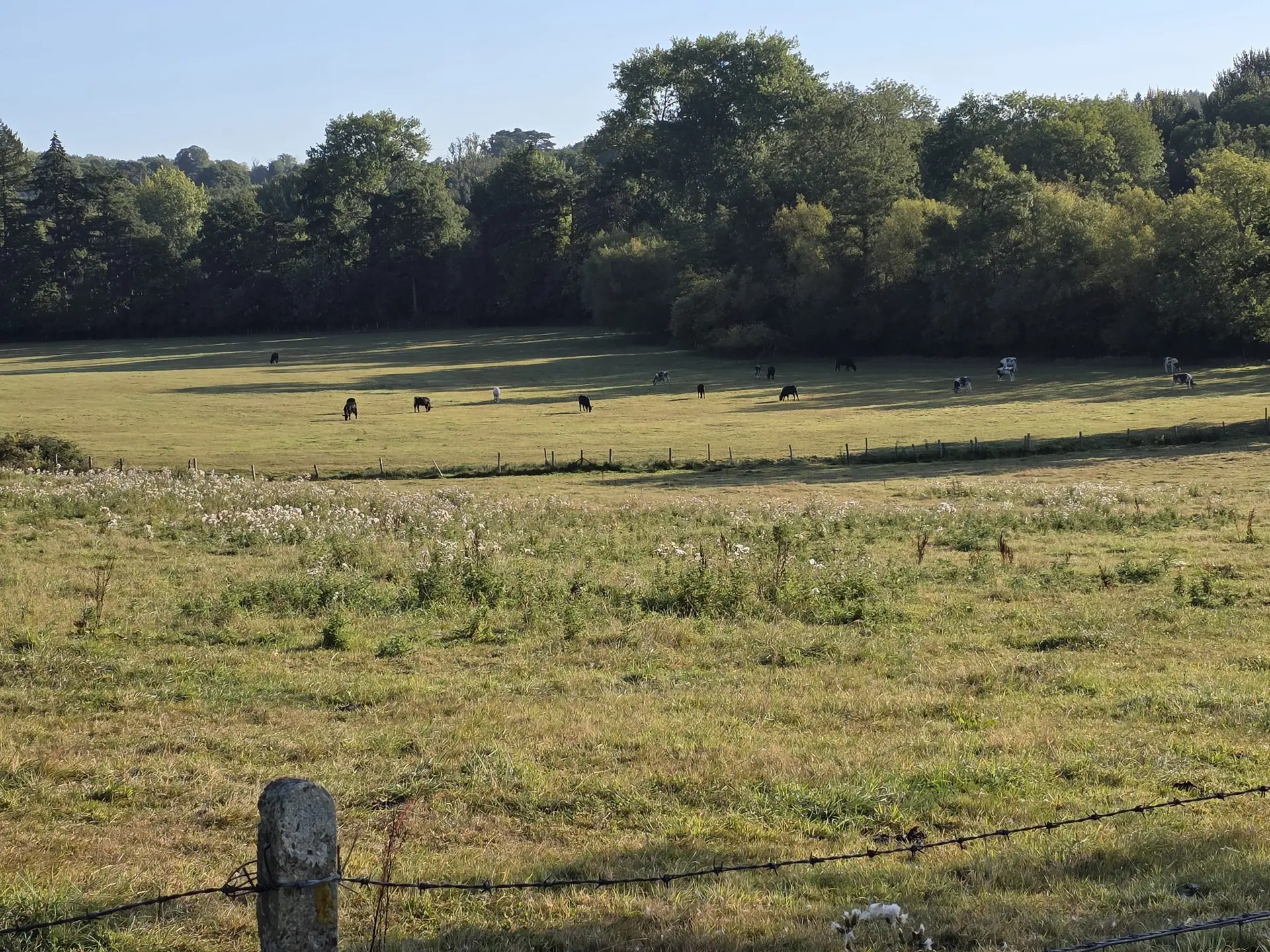
It’s a warm, sunny August day in Britain, which is unusual in itself. Normally, if you listen to the jokes, a bank holiday is a guaranteed invitation for the skies to turn grey and drizzle, as if the weather itself joins in on our national habit of ironic humour. Yet here we are with blue skies, sunshine spilling through the window, the faint buzz of lawnmowers in the neighbourhood, and that unmistakable hum of relaxation that comes when the country collectively agrees it’s a “day off.”
For many, a bank holiday is just that: a pause. Shops open later, offices close, and beaches fill. Families gather for barbecues, children splash about in paddling pools, and for once the rush of emails slows down. But for a writer, especially a children’s writer, the question isn’t quite as straightforward. Do we rest? Can we rest? Or does the pen, or the keyboard, simply keep moving regardless of what the calendar declares?
Today, I want to explore this very thought: whether a national holiday is truly a day off for a writer, and why holidays might in fact be the most productive and most necessary days of all.
The Myth of the Writer’s Day Off
Writers are peculiar creatures. We don’t work by the punch-clock or the factory whistle. Our deadlines, when they exist, are often self-imposed or set by publishers months away. On the surface, it might look as though we can take a day off whenever we like. Bank holiday Monday? Easy. Midweek Wednesday nap? Why not. A summer afternoon spent wandering through a meadow “for inspiration”? Entirely justifiable.
But anyone who has tried to write seriously knows this is only half the story. Stories don’t wait politely for working hours. Characters don’t stop whispering in your ear just because the government has declared a holiday. Plots untangle themselves at the most inconvenient times: in the supermarket queue, while washing dishes, or at three in the morning when the rest of the world is fast asleep.
Being a writer is not simply what you do, it’s what you are. Which means that on a bank holiday, while others switch off their laptops and silence their phones, we may find ourselves scribbling notes on the back of a receipt at a family picnic. Inspiration doesn’t check the calendar.
Children’s Writers and the Power of Play
Yet there’s something especially interesting about being a children’s writer on a holiday. Children are experts in squeezing the most out of days off. They wake early, wide-eyed, desperate to make the day count. A bank holiday to a child isn’t just a break in routine, it’s a promise: a promise of adventure, of ice creams dripping in the sun, of staying up late because tomorrow is still part of the long weekend.
For those of us who write for them, holidays are golden opportunities. They remind us of what childhood feels like when it’s free of timetables and homework. Watching children at play, whether in the garden, at the park, or digging an elaborate moat on the beach, is perhaps the purest form of research a children’s author can do.
Because here’s the truth: children don’t just read stories, they live them. A bank holiday might be the stage for an epic pirate battle in a back garden or the birthplace of a secret den at the bottom of the garden hedge. These moments of play are stories in embryo, waiting for a writer to notice.
So, when I think about whether a children’s writer gets a day off, I’m tempted to answer: not really. But perhaps that’s not a problem. Perhaps it’s the gift.
The Writer’s Notebook on Holiday
If you were to peer into my world on a day like today, you wouldn’t find me chained to the desk. Instead, you’d probably find me outside, notebook in hand, pretending to relax while scribbling furiously when an idea arrives. The smell of sunscreen, the sound of distant laughter, the way a kite dips suddenly in the breeze, all of these details may end up woven into a future chapter.
Children’s writing thrives on detail, on the little truths of life that make a scene believable. And bank holidays are full of them. The squeak of flip-flops on hot pavement. The sticky fingers after a melted ice lolly. The way a child insists that the picnic blanket is actually the deck of a pirate ship, and no one may step aboard without the secret password.
A bank holiday isn’t time off for a children’s writer, it’s time on, just a different kind of work. It’s a chance to refill the creative well and collect those vivid details that give stories their sparkle.
The Balance Between Rest and Work
But let’s not pretend that writers don’t need rest. Creativity is not an infinite tap that flows forever. It’s more like a well, one that can run dry if not replenished. Holidays, whether bank holidays or longer breaks, are crucial for topping it up.
Rest for a writer doesn’t always mean stopping. It might mean shifting gears: reading for pleasure instead of research, walking without a destination, or talking with family instead of characters. Rest can be active, like swimming in the sea, climbing a hill, or playing cricket in the park. Or it can be quiet, like napping under a tree.
On days like this, with sunlight flooding the garden, the temptation to “be productive” is strong. But productivity for a writer looks different. Sitting in the sun with eyes closed, listening to the world, may be the most productive act of the day, because that’s when stories sneak in.
Holidays as Story Seeds
Think back to your childhood holidays. Chances are, some of your sharpest memories live there. Maybe it’s the scent of fish and chips by the seaside, or the thrill of staying out until dusk, or the sheer wonder of a fairground ride. Holidays carve themselves into memory because they’re out of the ordinary.
For a children’s writer, these moments are pure treasure. They become seeds that can grow into whole tales. A day at the fair might become a story about a magical carousel. A picnic interrupted by ants could inspire a tale of talking insects. A summer storm could be the setting for a mystery.
When I write, I often draw on these heightened, holiday-like experiences. They carry with them a sense of possibility, of freedom, of magic. Exactly what young readers hunger for. Which is why holidays, rather than being a break from writing, often end up fuelling it.
The Unexpected Advantage of a Sunny Bank Holiday
There’s also something about today in particular. A sunny bank holiday is rare enough in Britain that it feels almost like a miracle, and miracles, of course, make excellent stories.
The rarity itself is inspiring. It reminds me that stories often begin in the unexpected. Just as we expect rain and instead get blazing sunshine, readers expect one thing and crave the delight of surprise. A sunny bank holiday is a perfect metaphor for storytelling: taking the ordinary and twisting it into something brighter, more exciting, more magical than anyone dared hope.
So while families spread picnic blankets and neighbours clink glasses in the garden, I’m quietly thinking: what if this sunshine lasted forever? What if tomorrow the clocks stopped and we were trapped in a bank holiday that never ended? Would children celebrate or grow restless? Would adults panic when Tuesday never arrived? These are the “what ifs” that a sunny day sparks.
Writing with the Seasons
Writing is seasonal. Winter inspires fireside tales, spring brings stories of beginnings, autumn carries mystery, and summer bursts with adventure. A sunny August bank holiday belongs to the season of play and discovery. It’s a reminder that time is precious, fleeting, and meant to be enjoyed.
Children instinctively know this. They race through summer days with urgency, knowing school looms just beyond. As writers, we can learn from them. To capture that urgency, that seize-the-day energy, is to write with authenticity.
So on this day, I write differently. Not at the desk, perhaps, but in the heart. I notice, I imagine, I store away. And later, when the skies inevitably turn grey again, I’ll have these notes to warm the page.
Why Writers Should Embrace Holidays
So, do writers rest? Sometimes. But more importantly, writers use holidays. Here’s why they matter so much:
- Perspective – Stepping away from the desk lets us see stories differently, and holidays slow time down just enough to notice new angles.
- Research disguised as play – Watching children on holiday is research for a children’s writer. Their games, words, and wild imaginations are raw material.
- Memory-making – Holidays create the sort of vivid, sensory memories that stories thrive on.
- Surprise factor – Just like an unexpected sunny day, holidays remind us to embrace the unpredictable.
- Rest and reset – Even creative minds need time to replenish, and holidays offer permission to pause.
Writing in the Sunshine
Today, as I write these words, the sunshine keeps glancing at me through the window, tempting me to close the laptop and step outside. And perhaps I will. Perhaps I’ll take a notebook to the park or simply sit and watch. Perhaps I’ll eavesdrop on children plotting a water fight or notice how a dog splashes through a stream.
This is work and rest at the same time. This is the strange, wonderful balance of a writer’s life.
A Final Thought: The Story Never Stops
The truth is, a writer never really has a day off. Our job is to notice, to imagine, to weave stories out of the threads of daily life. And holidays, with their relaxed pace and joyful spirit, give us threads in abundance.
So, on this rare sunny bank holiday, I’m not working in the traditional sense. But I am writing: in my head, in my heart, in my scribbled notes. Because for a children’s writer, holidays aren’t interruptions to the work. They are the work.
About the Author
Matt Newnham is a British children’s author and creator of Space Ranger Fred. He writes through childlike eyes, capturing the innocence and imagination that make children’s stories magical. His mission is to spark curiosity in young readers and remind adults of the joy of seeing the world with wonder.. www.spacerangerfred.com