I found myself at a crossroads the other morning – quite literally. The sun was barely up, dew still clinging to the grass, and the only sounds were the rustling of leaves and the occasional startled bird. In front of me stood a weathered wooden signpost, pointing in three different directions. Each arm bore the words: “Public Footpath.” One to the left, one straight ahead, and one to the right. The arrows were clear, yet the message was delightfully vague. Go where you like, it seemed to say. Choose your path. Every way is open.
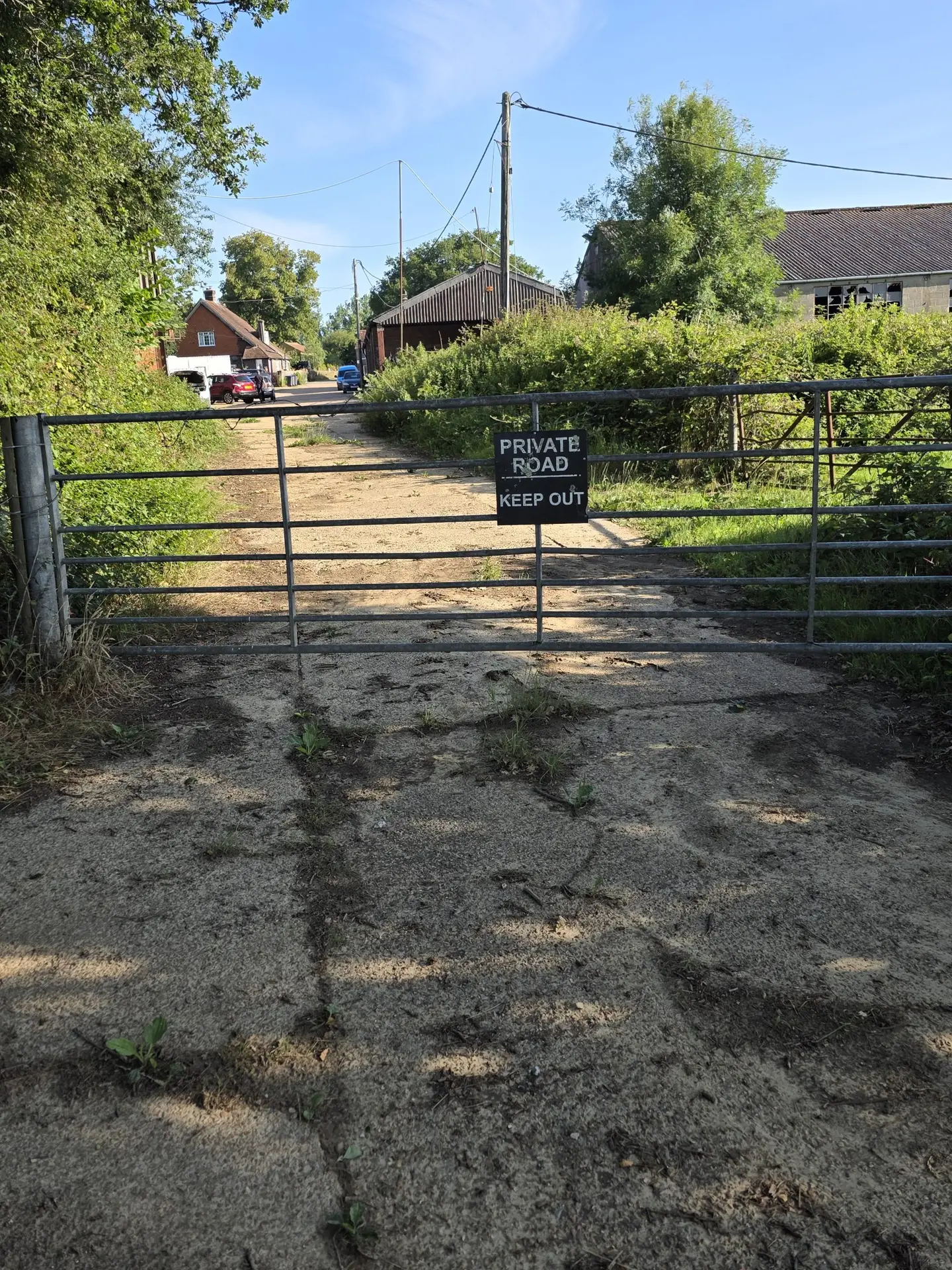
But just a few steps later, another sign greeted me: a gate across a gravel track with a stark black sign that read, “PRIVATE ROAD. KEEP OUT.”
Suddenly, choice was no longer a luxury. The boundary was firm. No ambiguity here. Whatever lay beyond that gate was off-limits. A sign had decided it for me.
These two signs – one welcoming, the other restrictive – stuck with me long after I returned home. As a children’s writer, I’m fascinated by signs, signals and the purpose they serve. Not just the physical ones nailed to fence posts or gates, but the metaphorical ones too. The signs we follow or ignore, the ones we place in our stories, and the ones that shape our own journeys as creators.
Signs in the Wild and in the World
Public footpath signs are a beautiful thing. In Britain, they’re a declaration of freedom, a reminder that the land belongs to everyone in some small way. They guide us through woods, across meadows, and past centuries-old barns. They reassure us: you’re on the right track. Keep going. It’s safe here.
On the flip side, a “Private Road” sign serves a different function. It tells you there are limits. That not every place is yours to explore. And perhaps that’s necessary. We all have boundaries. But when signs become walls rather than guides, they start to feel less like information and more like exclusion.
In the same way, children’s literature is full of signs, both literal and symbolic. Think of the wardrobe door in The Lion, the Witch and the Wardrobe. A simple, silent object that turns out to be a sign pointing to another world. Or the rabbit hole in Alice’s Adventures in Wonderland. Or platform 9¾ in Harry Potter. The most magical signs often appear ordinary at first glance.
And then there are the signs children learn to read between the lines: the rules of a story. Who is good. Who is bad. Who they’re supposed to root for. These signs matter. They help shape how children view the world.
Writing With or Against the Signs
As writers, we can choose to follow these narrative signs or to subvert them. I’ve often written stories that start one way but turn another. I might lead a reader down a well-trodden path, only to gently shift the direction, hinting that sometimes the signposts are misleading or even false.
Why? Because not every path marked “right way” is right for everyone. And not every gate marked “keep out” should be obeyed without question.
This isn’t about rebellion for the sake of it. It’s about thinking critically. Helping young readers ask themselves: who put that sign there? Why? And what might happen if I take a different path?
There are consequences, of course. Sometimes good, sometimes not. Stray too far from the traditional signs in publishing, for instance, and your manuscript may be deemed “unmarketable.” Use language that challenges convention, and it might raise eyebrows. But sometimes, straying is necessary. It’s how new genres are born, how original voices emerge.
The Signs We Face as Writers
Every writer has internal signs. They’re the little messages we whisper to ourselves:
- “You can’t write that.”
- “No one will read this.”
- “That story’s been told before.”
- “You’re not good enough.”
These signs are often remnants of old feedback, past failures, or comparisons we’ve made. They act like that PRIVATE ROAD sign – clear, unambiguous, and paralysing. But unlike the real world, where gates can be locked, these internal signs can be challenged.
For me, self-publishing Space Ranger Fred was an act of stepping past a gate. For years, I looked for signs in the traditional publishing world that said “Welcome, come in!” I still do. But when those signs didn’t appear, or appeared only briefly and then vanished, I found another path. Self-publishing didn’t mean I had to stop searching for a publisher. It meant I wasn’t waiting on permission to walk my own path.
And when readers, especially young ones, respond with joy or curiosity to something I’ve written? That’s the best sign of all.
Celestial Signs: Beyond the Page
It would be remiss of me not to mention the signs we feel but can’t see. The celestial ones. A gut feeling. A recurring thought. A whisper of intuition.
When writing for children, these are often the signs I follow most closely. Something tells me a story matters, even if it’s not flashy. Even if it doesn’t follow the latest trend. Sometimes it’s the quiet, persistent idea that won’t go away that ends up becoming the book that connects most.
It’s the same in life. Sometimes the most important signs aren’t on a post, or in a contract, or a bestseller list. Sometimes they’re in your heart, pointing not to success or acclaim, but to purpose.
Consequences: The Good, the Bad, and the Beautiful
So what happens when you follow the sign? Sometimes, you get exactly what you hoped for: a path through a stunning bit of woodland, a story that delights, a publisher who says yes.
Sometimes, you get brambles and backtracking, rewrites and rejections.
But you always learn. You always grow.
Sometimes ignoring a sign gets you into trouble. Sometimes it frees you. That’s the tension of any journey, real or metaphorical. And it’s why I think walking and writing go so well together. Both are acts of forward motion, fuelled by trust.
Writing Our Own Signs
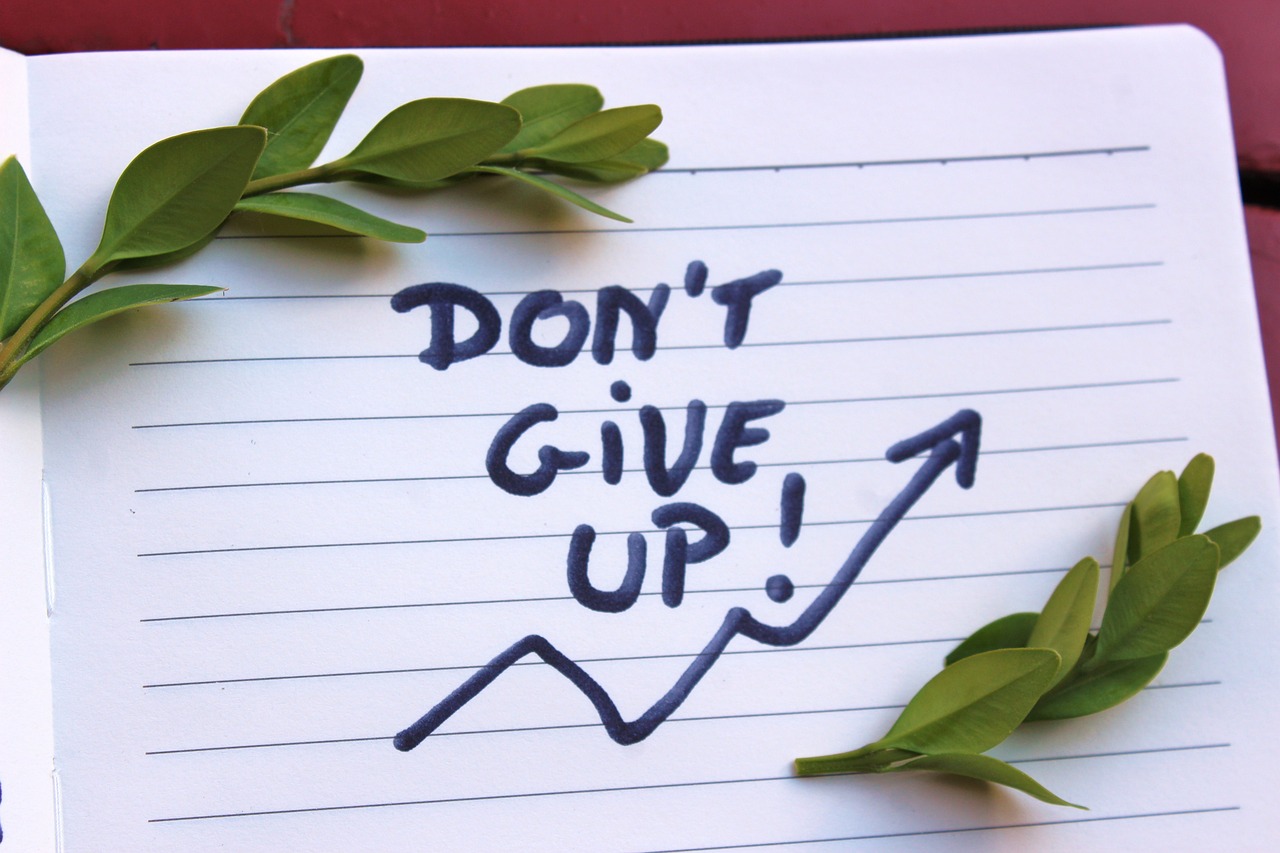
One of the great joys of being a children’s writer is knowing that your words might become someone else’s sign. A child might read something you’ve written and feel less alone. Or braver. Or more curious. Your story could be the sign that says, “Keep going. You’re not lost.”
But to write those signs, we first have to believe them for ourselves. We have to walk the path, choose the direction, climb the fence if we must. We have to risk getting it wrong so that we can, eventually, get it right.
Final Thoughts
The world is full of signs. Some invite us in. Some shut us out. Some point the way; others ask us to pause. As writers, especially those of us writing for young minds, we must be both readers and writers of signs.
We must learn when to follow, when to question, and when to write our own.
So the next time you find yourself standing at a crossroads, facing a sign that feels like it’s telling you what you can’t do, pause a moment. Look around. Is there another path? Can you create your own?
And remember: not all signs are nailed to posts. Some are waiting to be written.
Until next time, Matt
About the Author
Matt Newnham is a UK-based children’s author, copywriter, and creative storyteller passionate about inspiring young minds through imaginative and meaningful stories. With a background in publishing, self-publishing, and marketing, Matt combines heart, humour, and purpose in every tale he tells. Discover more and connect on LinkedIn and Instagram.