So far in this series, I’ve spoken about the bold imagination of C. S. Lewis and the fearless cheek of Roald Dahl. These two giants of children’s literature helped shape my writing in powerful ways.
But there is another author, quieter and gentler, yet every bit as influential, who taught me something entirely different.
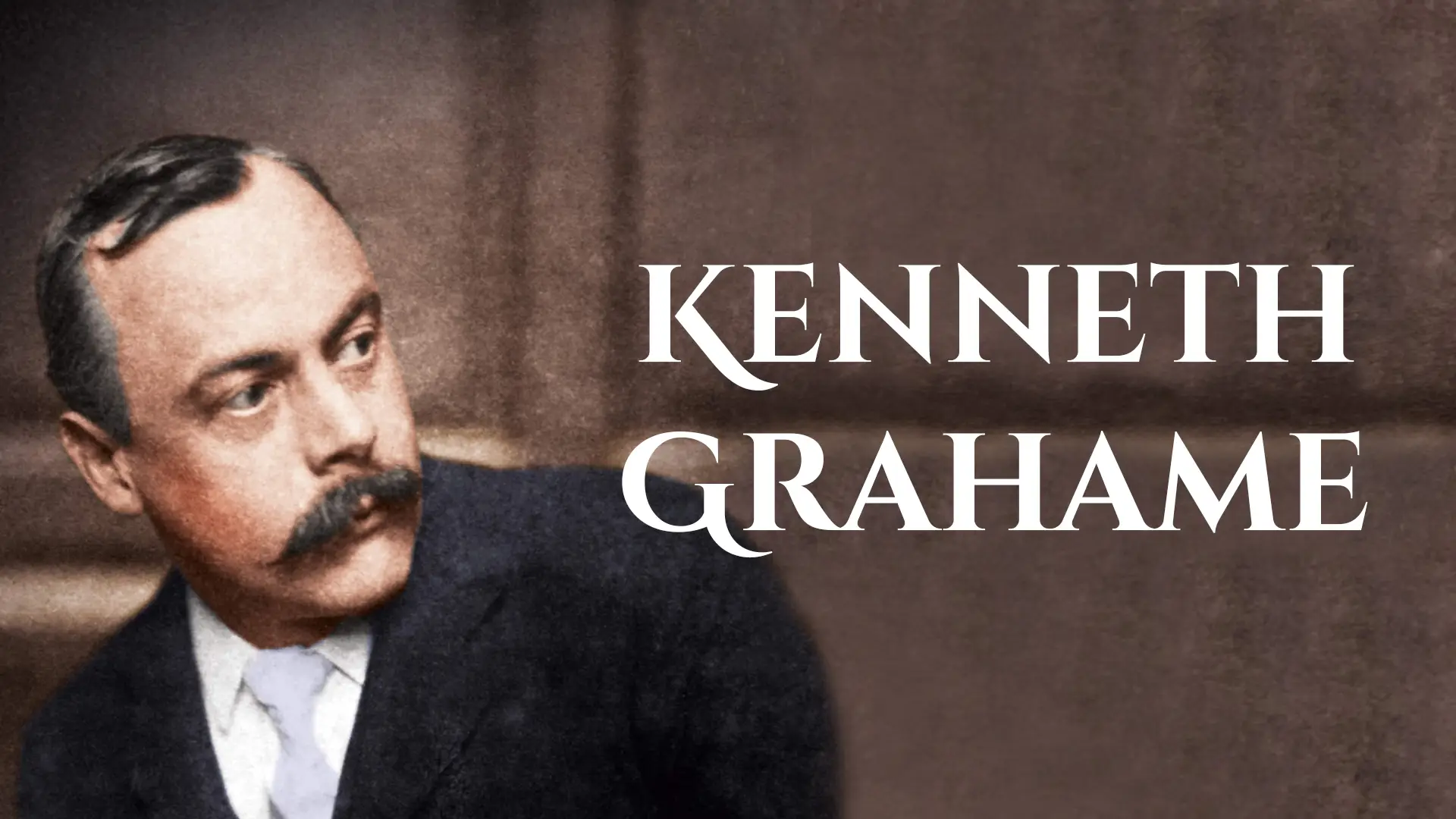
That author is Kenneth Grahame, and the book is, of course, the timeless classic: The Wind in the Willows.
A Slower Kind of Magic
I first read The Wind in the Willows properly when I was about twelve years old. I had seen bits of it before, in the form of TV adaptations or old picture books, but it wasn’t until I picked up the real thing and read the words for myself that I truly felt the story.
And when I say “read,” I mean slowly. Carefully. I wasn’t rushing toward a big finale or desperate to get to the next plot twist. I lingered on the words, soaking up the atmosphere, taking it all in.
There was no urgency, no madness, no great adventure in the traditional sense. Instead, there was something better: charm, peace, humour, innocence, and a gentle magic that seemed deeply rooted in the British countryside.
Grahame’s world was calm, slow-moving, and delightfully nostalgic. It is still how I picture England when I close my eyes. Willow trees, quiet rivers, soft breezes, and friendly animals who talk like old friends around a fire. That sense of place has never left me.
The Chapter I Never Forgot
There is one chapter in particular that has stayed with me for life: The Piper at the Gates of Dawn.
I remember reading it for the first time and then reading it again. And again. I must have read that single chapter at least half a dozen times during the same week.
It is unlike anything else in the book. The tone shifts from cheerful riverbank adventures to something more spiritual, mysterious, and dreamlike. Mole and Rat go in search of Otter’s lost son and, in the early morning light, encounter a god-like figure playing a gentle tune. It is beautiful, haunting, and oddly sacred.
At twelve years old, I didn’t have the words to describe why I was so drawn to it. But I knew it moved me. It made me pause. It made me feel that the world was much bigger than I had realised.
Even now, reading that chapter fills me with the same quiet wonder. It was my first taste of what I now recognise as lyrical prose. Grahame didn’t just tell stories; he crafted them, inviting readers to feel something much deeper than plot or pace.
The British Countryside as I Still Imagine It
To this day, when I picture the countryside, it is Grahame’s vision that comes to mind. I see the world through the soft lens of his imagination.
His descriptions of riverside life, cosy burrows, warm kitchens, quiet lanes and shaded meadows feel like home to me. Not because I grew up on a riverbank, but because he made me feel like I did.
Grahame’s writing shaped the way I see the world. When I go for a walk or sit beneath a tree, I often catch myself thinking in his tone. Reflective. Gentle. Observant.
He taught me that setting is more than just a background. It can be a mood, a feeling, a heartbeat in the story.
A Lesson in Character and Chaos
Though the book is calm on the surface, the characters are far from dull. In fact, it is the mix of personalities that gives the book so much colour.
Toad is one of the great comic figures in children’s literature. He is loud, selfish, ridiculous, and completely irresistible. His antics, from crashing motorcars to escaping prison dressed as a washerwoman, are as outrageous as anything in a Roald Dahl book.
But then we have Mole: humble, curious, and loyal. And Rat, the poet and thinker, who loves boating and observing the world. And of course, Badger, who is wise, gruff, and quietly heroic.
Each character plays a role. Each one brings a different rhythm to the story. Grahame didn’t over-explain them. He let them reveal themselves naturally, through actions and dialogue.
As a writer, this taught me an important lesson. You don’t need a complex plot to build a good story. What matters is heart, honesty, and letting your characters feel real. The quieter you let them be, the more they speak.
The Importance of Soft Humour
Grahame’s humour is not in-your-face. It’s not slapstick or outrageous. It’s gentle, observational, and often dry.
He pokes fun at Toad’s pomposity, chuckles at Mole’s curiosity, and lets Rat get a little flustered now and then. The laughter comes from small truths, from knowing looks, and from familiarity.
That taught me that you don’t need to force jokes into your writing. Sometimes a raised eyebrow or an awkward silence says more than a punchline ever could.
This has absolutely influenced my own writing. In Space Ranger Fred, I include plenty of humour, but it is often soft, grounded in the quirks of the characters rather than loud gags. That tone owes a great deal to Kenneth Grahame.
Writing That Soothes
There is something deeply soothing about the way The Wind in the Willows is written. The rhythm of the sentences, the way the scenes unfold, and the moments of pause and reflection make it feel almost like a lullaby in literary form.
This is not a story you skim. It is a story you breathe in. You take a seat by the riverbank, listen to the wind, and just exist in the moment.
In a world filled with fast-paced content, over-the-top storytelling, and instant gratification, a book like this feels like a much-needed exhale.
Grahame gave me permission to slow down. As a writer, that has been one of the most valuable lessons of all.
Respecting the Reader
What I admire most about this book is that it trusts the reader. It doesn’t talk down to children. It doesn’t explain every metaphor or rush to the next plot twist.
It assumes that children are thoughtful, curious, and capable of absorbing quiet beauty.
That trust has become a cornerstone of my own writing. I try not to oversimplify or overprotect my audience. Children are often more perceptive than we realise. When you give them something gentle, they will treasure it.
The Writer Behind the Words
Kenneth Grahame’s life was not without sadness. He worked in banking. He faced personal loss. His only child, Alastair, had health struggles and died young. And yet, from his quiet heart came one of the most beloved stories of all time.
He wrote The Wind in the Willows originally as bedtime stories for Alastair. That personal origin gives the book a warmth and intimacy that makes it feel like a whisper from one soul to another.
As a writer, I find that deeply moving. It reminds me that stories begin in the quiet places. They don’t have to be big to be powerful. They just have to be sincere.
The Role of Illustrators
Though Grahame’s original text didn’t feature illustrations, the book has since been brought to life by many artists over the years. The most iconic are by E. H. Shepard, who also illustrated Winnie-the-Pooh.
Just as Quentin Blake gave energy and edge to Roald Dahl’s books, Shepard gave warmth and familiarity to Grahame’s.
This reinforced in me the importance of visual storytelling, especially in books for young readers. That’s why I work closely with Richie Williams on Space Ranger Fred. Illustrators don’t just decorate stories – they expand them.
What Grahame Taught Me
Kenneth Grahame taught me more than how to write. He taught me how to listen. How to pause. How to trust silence.
His influence shows up in all my stories, whether in a soft moment between characters or in the space between jokes.
He taught me:
- That peace can be powerful.
- That setting can speak.
- That humour can be quiet.
- That character is more important than complexity.
- And that storytelling is not a race.
Why The Wind in the Willows Still Matters
Some people might say this book is old-fashioned or too slow for today’s readers. I could not disagree more.
Now more than ever, children need stillness. They need moments of quiet. They need stories that reflect kindness, friendship, and the beauty of the natural world.
This book delivers all of that, wrapped in charm and sprinkled with gentle wisdom.
Thank You, Kenneth Grahame
Thank you for showing me that stories don’t need noise to be heard.
Thank you for Mole and Rat, Badger and Toad.
Thank you for The Piper at the Gates of Dawn, which I still return to when I need to feel the world again.
Thank you for helping me soften my writing, bring out its humour, and reflect on the magic in the everyday.
Your words are as fresh and lovely today as they were when I first read them.
Coming Next in the Series:
How Enid Blyton taught me about mystery, friendship, and the joy of a jolly good adventure.
Stay tuned.
About the Author
Matt Newnham is a British children’s author, speaker, and creative thinker. He is the author of Space Ranger Fred and Princess & Chicken, writing stories to help kids dream big and laugh loudly. His work is inspired by the books that shaped him – and written for a generation that deserves magic.
Based in the UK | matt@mattnewnham.com | www.mattnewnhamauthor.com
Instagram: @mattnewnhamauthor